
Diagnosis guide 1 of 6
Is the price the reason your house is not selling?
Price is the most common cause and the one owners most want to be wrong about. Here is a fair way to test it without arguing with yourself.
Why price is the first suspect
Buyers shop by price first. Search tools sort and filter on it, so a number that looks even slightly high can keep your home out of the results that matter. Unlike condition or photos, price is also the one thing you can change in an afternoon, which is why it deserves a clean test before anything else.
The honest difficulty is that owners anchor on what they paid, what they need, or what a neighbor once got. None of those are what a buyer is thinking. A buyer is comparing your home, today, against the other homes they can actually buy. If you want a longer walk-through of the method, checking your price against comparable sales yourself covers the mechanics.
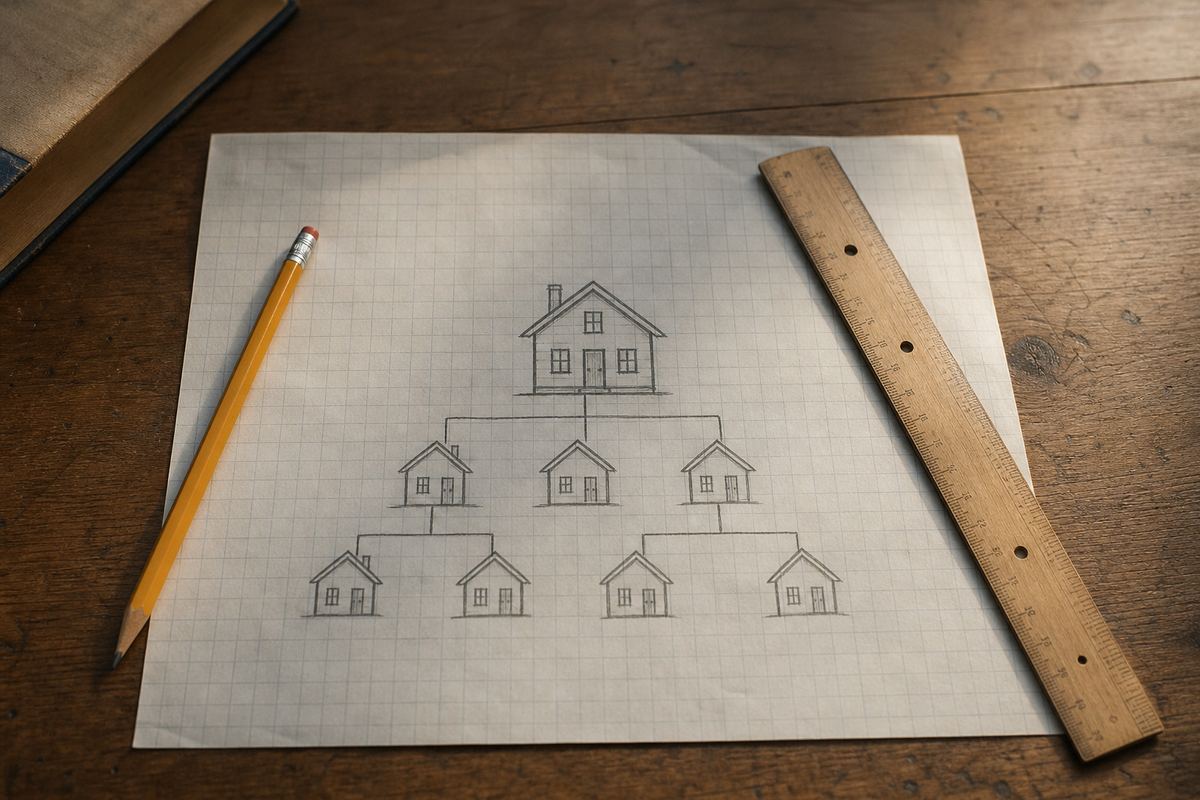
The signs that point at price
Online interest is decent, showings are thin
If people view the listing and save it but do not book visits, they are interested and unconvinced. That is classic price friction, especially when your photos are at least average.
Showings happen, then everyone says it is a nice house
Polite praise with no offer often means the house is fine and the price is not. A buyer who loved it would have found a way to make an offer, even a low one. Read the pattern in our guide to reading showing feedback.
Offers come in, but far below asking
A cluster of low offers is information. Several unconnected buyers reaching a similar number are telling you where they think the value is. Treat the cluster as a data point, not an insult.
A fast start, then a long flat line
A burst of interest in the first week followed by nothing often means the early buyers saw the price, decided it was high, and moved on. The longer the listing sits, the more the days on market itself becomes a reason to wait.
A fair way to test your price
- List sold homes, not asking homes. Asking prices are hopes. Sold prices are decisions. Use sales from roughly the last few months in your immediate area that are close to your size, age and style.
- Adjust honestly for differences. Newer kitchen, bigger lot, extra bedroom, busy road, worn roof. Give the other home the benefit of any doubt, and do not count upgrades buyers do not value at cost.
- Look at what is currently listed and unsold nearby. That is your real competition, and buyers see it next to you.
- Place your home. Is your asking price above, level with or below the adjusted sold range?
- Ask who would be picked first. If a buyer has your home and two others at the same price, which do they choose, and why?
Not sure how your price stacks up?
Send the address and your asking price. You will get a straight read, and nothing is required of you.
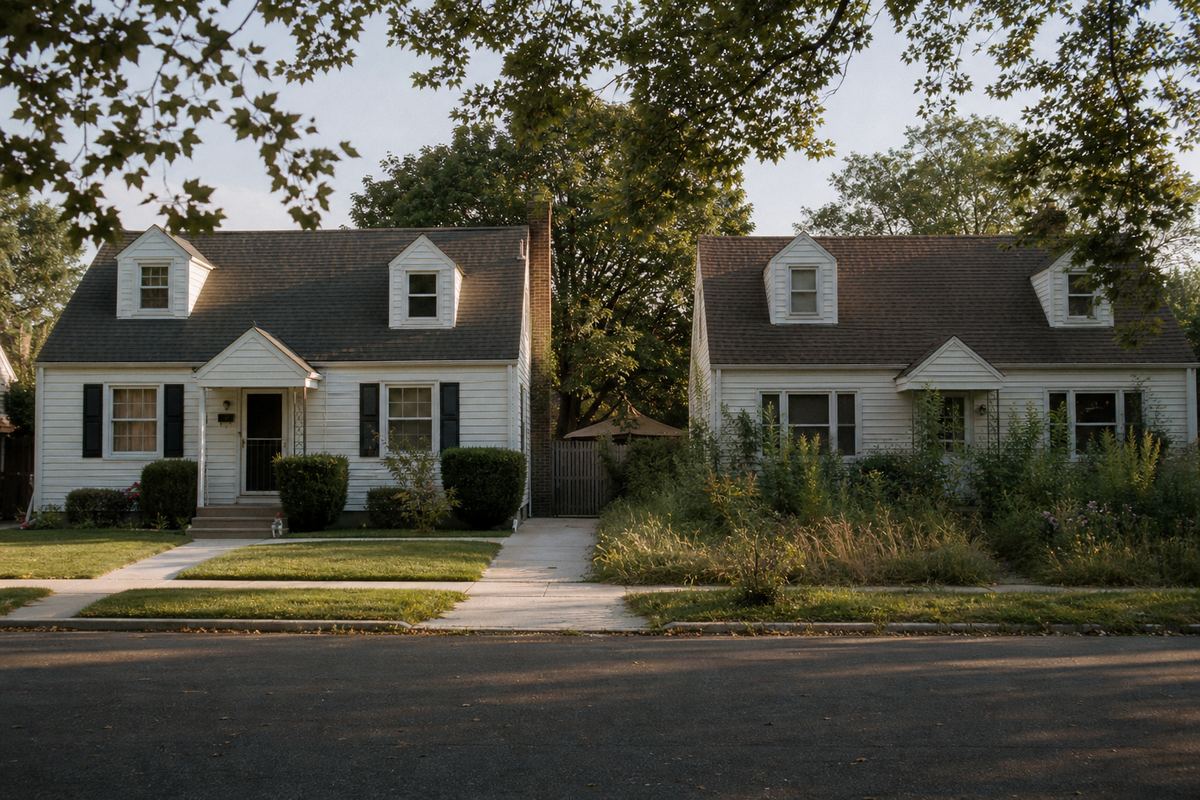
What owners get wrong when they test price
Counting improvements at cost
A fifteen thousand dollar renovation does not add fifteen thousand dollars to what a buyer will pay. Buyers value finishes according to taste and need, and many discount anything they would change anyway.
Comparing to sales from a different market
A sale from a hot stretch eighteen months ago says little about a slower season now. Interest rates, inventory and local demand move. Weight recent sales more heavily.
Confusing what you need with what it is worth
Your payoff, your moving costs and your next purchase are real constraints, and they deserve respect. They are not the market. If the number you need is higher than the number the market will pay, that is a different problem, and it has different options, including selling directly or waiting.
If it is the price, what next
When your testing says the home is priced above comparable sold homes, you have three honest choices. Cut to a number that resets the comparison, hold and accept a longer wait, or change the terms of the sale. Cutting is covered in the price cut decision guide, including how big a cut needs to be to be noticed. Holding is a legitimate decision when you do not need to sell soon, but pick a review date so holding does not become drifting.
If you cannot cut because of what you owe
If your payoff is close to or above the likely sale price, talk to a HUD-approved housing counselor or a licensed professional about your options before making commitments. We cannot give legal or financial advice, but a conversation with the right professional is free or low cost and worth having early.
When price is not the problem
If your price already sits at or below comparable sold homes and the home still does not move, move on to condition and marketing. A price cut on a house with a different underlying problem is how owners end up with a lower price and the same silence. For the full sequence, see the thirty day action plan.