
Diagnosis guide 2 of 6
Is the condition of the house the reason it is not selling?
You stopped seeing the flaws years ago. Buyers see them in the first thirty seconds. Here is how to walk the house the way they do.
Why condition is so hard to see from the inside
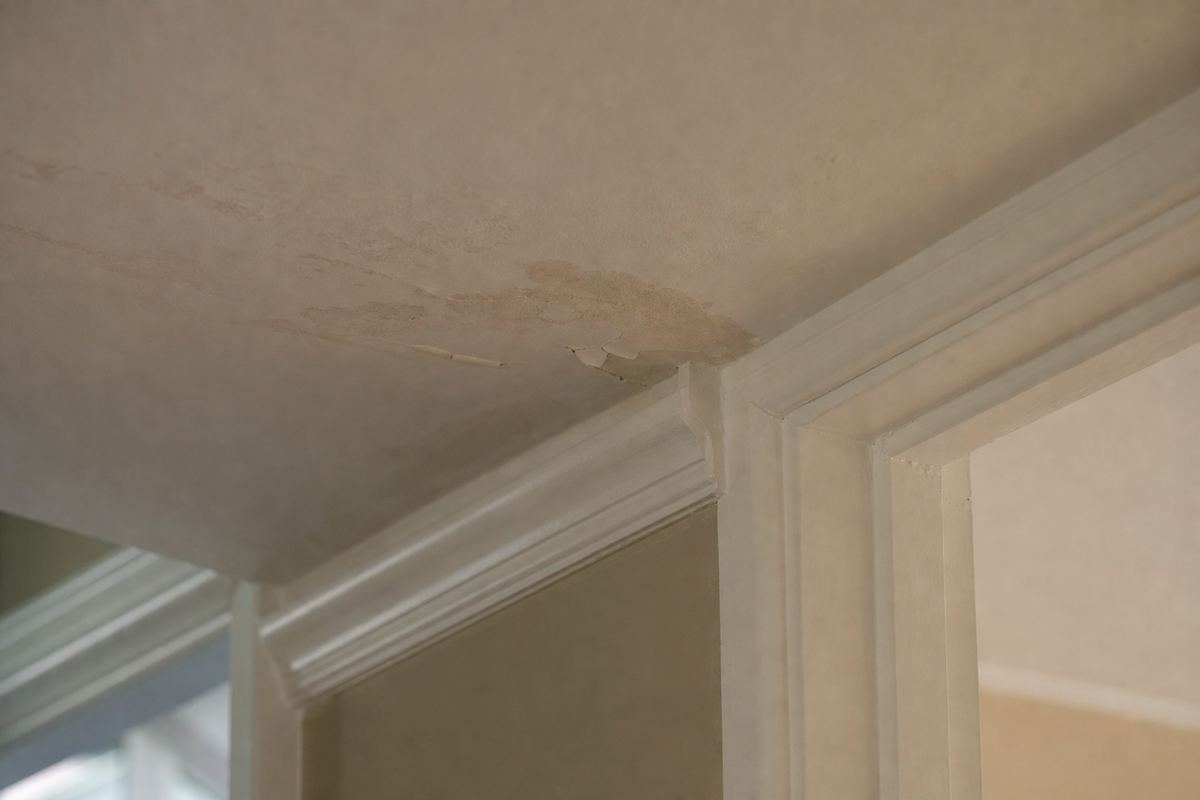
After years in a home you stop noticing the sticky door, the stained grout, the sound of the water heater and the smell the dog left in the carpet. Buyers notice all of it, and they do something worse than notice: they guess what else is wrong. A visible small flaw becomes evidence of hidden big ones.
Condition problems also tend to hide inside other symptoms. A buyer who dislikes the way a home feels may blame the price. A buyer who is nervous about repairs may simply never make an offer. If your showings are happening and nothing is converting, condition belongs on your list before you cut the price a second time. Our article on repairs buyers walk away from goes deeper on which ones are deal-breakers.
Walk it like a buyer
Do this once, in daylight, ideally with someone who does not live there. Start outside and move in the order a buyer would.
The approach and the front door
Peeling paint, a sagging gutter, a cracked walkway, a door that sticks. The first ten seconds set the story for the rest of the visit. These are usually cheap to fix and disproportionately visible.
The smell test
Pets, smoke, cooking, damp, a closed-up bathroom. Smell is the fastest way to lose a buyer, and the one you are least able to judge yourself. Ask a visitor to tell you what they notice in the first minute, then fix the source, not just the symptom.
The big-ticket items buyers ask about
Roof, heating and cooling, water heater, foundation, electrical panel, plumbing. You do not need to replace anything. You do need to know the age and condition of each, because buyers and inspectors will ask. Gaps in your own knowledge look like trouble.
Kitchens, baths and the rooms that sell
Dated is fine if it is clean and works. Worn, stained or broken is not. A buyer can picture updating a clean old kitchen. They struggle to picture living with a dirty one.
Clutter, personal items and wear
Full closets, crowded rooms and many personal photographs make a house feel smaller and the owner more present than the buyer is comfortable with. Clear surfaces and thin out furniture.
Sort what you found
| Type of issue | Typical buyer reaction | Usual best response |
|---|---|---|
| Cosmetic, cheap to fix | Notice it, mentally subtract more than it costs | Fix before showings |
| Cosmetic, expensive to fix | Ask for a credit or reduce the offer | Price it in or offer a credit |
| Functional repair, moderate cost | Worry about what else is wrong | Fix, or get a quote to share |
| Major system near end of life | Want a large concession or leave | Disclose, price it, or consider selling as-is |
| Safety or structural concern | Lenders and inspectors may block the sale | Get a professional assessment first |
Worried about what a buyer will find?
Describe the issue and the listing history. You will get a candid view of fix, credit or sell as-is.
Fix, credit or sell as-is
Once you know what a buyer would object to, you have three ways to handle each item. You can fix it before they see it, offer a credit so they handle it, or leave it and price the home to reflect it. None is always right.
Fix when the fix is small and visible
Fresh paint, a repaired fixture, a deep clean and a clear garage cost little and change the feel. Fix first the things a buyer sees within a minute of arriving.
Credit when the work is large and taste-dependent
If you replace flooring in a color the next buyer hates, the money is gone. A credit lets the buyer choose. Be ready to explain how you set the amount, and keep it consistent with quotes.
As-is when the list is long or you have no time or cash
Some homes are not worth fixing for a retail sale, and some owners cannot carry the cost or the wait. That is where a direct sale as-is becomes a real option, with the expected trade-off in price.
A ten-minute pre-showing reset
- Open blinds, turn on every light, and air out the house.
- Clear counters and put away personal items.
- Empty bins and take out strong-smelling trash.
- Wipe the bathroom surfaces and straighten towels.
- Move vehicles and toys from the driveway and yard.
A reset does not hide real problems, but it keeps small ones from stealing attention from the house.
Condition versus price and marketing
Condition and price are tightly linked. A buyer prices flaws into what they will pay, so a home with visible issues needs a sharper number than a clean one. If you have already tested the number, go back to the price check. If the home is in good shape and the problem looks like exposure, move to the marketing audit. When you are ready to build a plan around what you found, the thirty day action plan puts repairs in the right order.