
Diagnosis guide 3 of 6
Is your marketing the reason the house is not selling?
A good house at a fair price can still be invisible. This is how to audit the listing the way a buyer scrolling on a phone actually meets it.
How buyers actually meet your listing
Most buyers first see your home as a small photo in a scrolling list, next to a price and a few numbers. They decide in a second or two whether to tap. Then they flip through photos, glance at the first lines of the description and decide again. Everything after that, including your carefully staged living room, only happens if you survive those two quick decisions.
That is why marketing problems look like a quiet phone. The house is fine and the price is fair, but not enough of the right people are choosing to visit. For the specific mistakes that most often cost showings, see photo and description mistakes that cost showings.

Audit the listing in five minutes
The first photo
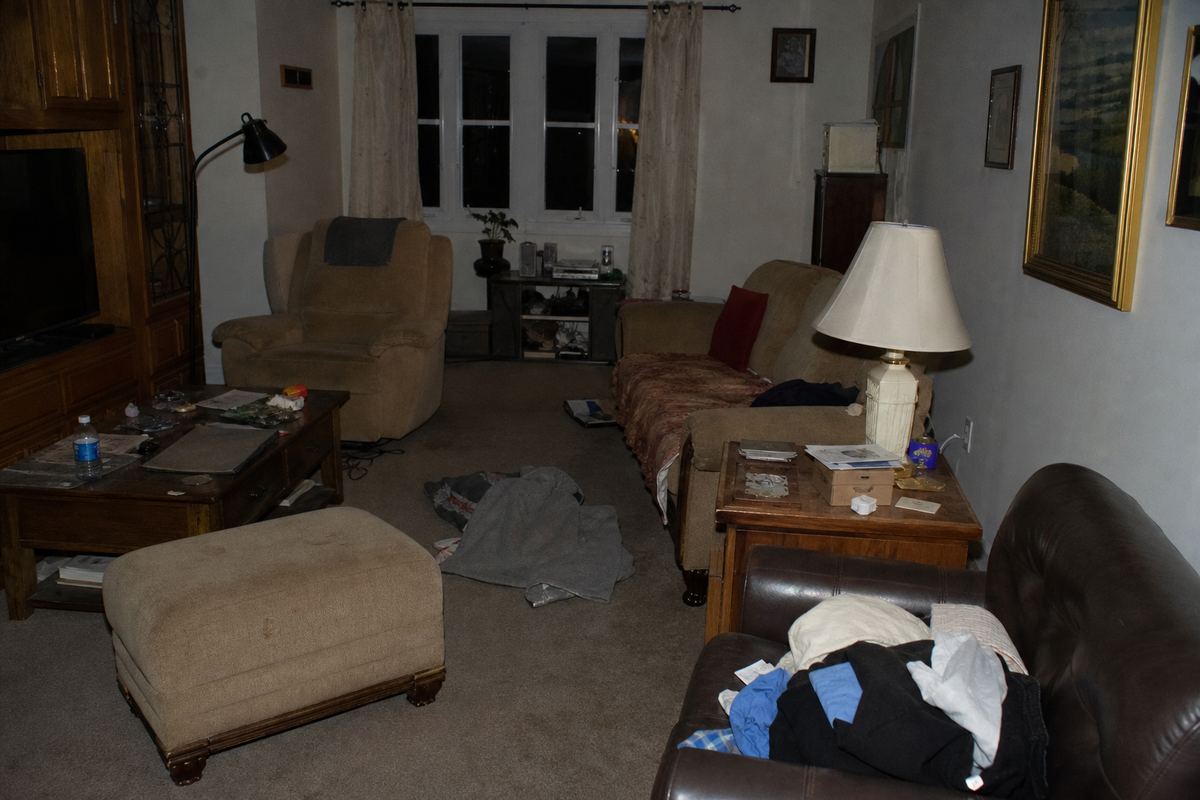
It is the whole advertisement. It should be the best exterior or the best interior, bright, straight, with nothing odd in the frame. A dark room, a car in the driveway, a trash can or a crooked angle in photo one can cost a click.
The photo set as a whole
Count them and look for gaps. Is every main room shown? Are there photos of the yard and any feature you would mention in person? Missing rooms make buyers suspicious, not curious.
The first two lines of the description
Buyers see only the first line or two before deciding to read on. Start with what is genuinely good, specific and different about the home. Skip words like charming or must-see, and say what the buyer would actually experience.
The facts and the details
Check square footage, bedroom and bath counts, lot size, year built, any recent updates. Errors or blanks cause the home to drop out of searches or look careless.
Where and when it is shown
Ask how many places it appears, how it is promoted, and how easy it is to book a visit. A house that is hard to see, with strict notice rules or limited hours, loses buyers who simply move on to one that is easy.
Signs that point at marketing
- Few online views compared with similar homes in the same price range.
- Views that never become saves or showing requests.
- Showings that are mostly people who do not match the home, such as a family-size home shown to single buyers.
- Feedback that reveals confusion, such as buyers who expected a different size, layout or condition from what they saw online.
- A listing that was live for weeks with the same first photo and description and no changes.
Want a quick outside look at your listing?
Send the address or listing link. You will get honest notes on what a buyer would see, with no obligation.
What you can change this week
Replace the first photo
Choose the strongest image you have, ideally taken in daylight with lights on and clutter out. If your best photos are weak, a re-shoot is often the best marketing money you can spend.
Rewrite the opening lines
Lead with the one or two features buyers in your price range care about most, stated plainly. Cut adjectives, add facts.
Fix the access problems
Make showings easy to book on short notice. A home that can be seen tonight beats one that needs a day of notice.
Ask your agent what has been done
A fair question to put in writing: where is the home advertised, how many views and saves has it had, what has been adjusted since listing. A good agent will have the answers. If answers are vague, see staying with your agent or switching for a fair checklist.
Questions to put to whoever markets your home
- How many people have viewed and saved the listing so far?
- What was changed after the first two weeks?
- Where is the home advertised beyond the main listing sites?
- Are the photos professional, and can they be redone?
- How are showing requests handled and how fast are they confirmed?
A clear set of answers is a good sign. Vague ones suggest the marketing has been on autopilot, which is fixable.
Check the listing from a buyer's seat
Search for homes in your price range as a buyer would, on a phone, using common filters. Does your home appear where you expect? Does it look as good as its neighbors in the results? This ten-minute test is the most useful thing you can do before changing anything.
When marketing is not the real cause
Better marketing cannot rescue a price that is above comparable sold homes, and it cannot hide serious condition issues once buyers are inside. If views and showings are healthy and nothing converts, the problem is more likely price or condition. Use the numbers you have to decide, and read the guide to showing feedback before you spend money on another round of promotion.
If you would like to see how marketing fits into a month-long plan, the thirty day action plan orders the changes so you can tell which one worked.